

General Dentistry Archives - Palisades Dental

Tooth decay – The Basics

Tooth decay – The Basics

What does a general dentist do? What are general dentistry services? Why do I need general dentistry? Just some of the questions we’ll share in just a minute!

Thank you for visiting our blog section! Our name is Palisades Dental and we are so proud to help you find answers to all of the questions you have about tooth decay today! If you ever are looking for general dentistry services anywhere near the American Fork, UT area (our office is just across from Hindley Park), please feel free to call our office at (801) 734-9223!

Next up, our Tooth decay – FAQs section.

Tooth decay – FAQs


What is Tooth Decay?

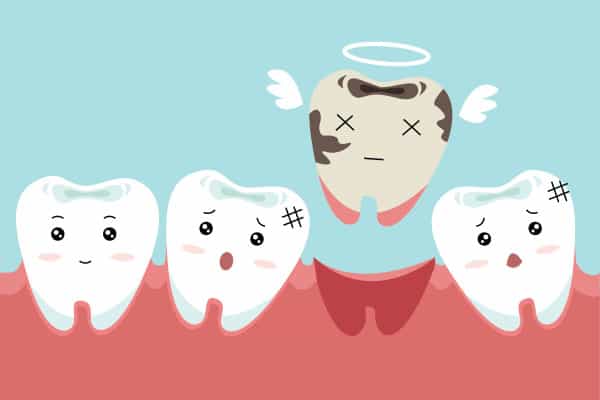
Also known as dental caries or cavities, tooth decay is the breakdown of teeth due to acids made by bacteria. The cavities may be a number of different colors from yellow to black. Symptoms may include pain and difficulty with eating. Complications may include inflammation of the tissue around the tooth, tooth loss, and infection or abscess formation.

(https://en.wikipedia.org/wiki/Tooth_decay)


What Causes Tooth Decay?

Poor Oral Hygiene: Not brushing your teeth regularly allows plaque to build up and attack the tooth enamel.

Plaque Formation:  When not removed on regular basis, plaque adheres to your teeth and builds up over time. In the presence of sugar, plaque produces acid which attacks the enamel of your tooth and eventually can cause holes in your teeth, otherwise known as cavities.

Dry Mouth: Saliva helps wash plaque from the teeth and buffer the acid. If you have a dry mouth with very little saliva, plaque and tooth bacteria may build up more quickly.

(Source: crest.com)


What are the Symptoms of Tooth Decay?

A tooth weakened by extensive internal decay can sometimes suddenly fracture under normal chewing forces. When the decay has progressed enough to allow the bacteria to overwhelm the pulp tissue in the center of the tooth, a toothache can result and the pain will become more constant. Death of the pulp tissue and infection are common consequences. The tooth will no longer be sensitive to hot or cold, but can be very tender to pressure. Dental caries can also cause bad breath and foul tastes. In highly progressed cases, an infection can spread from the tooth to the surrounding soft tissues. Complications such as cavernous sinus thrombosis and Ludwig angina can be life-threatening.

(Source: en.wikipedia.org)


Speak with the top-rated general dentist in American Fork, UT now!

Look at that! You knew about tooth decay all along! And as you saw, general dentistry usually is in reference to a lot of the common dental procedures you receive from a typical visit with your dentist. Whether it is X-rays, teeth polishing, or a general check-up, general dentistry is the term that encompasses all of it.

If you could use the best general dentistry services in American Fork, UT, or any of the nearby towns like Lehi, Highland, Cedar Hills, Pleasant Grove, Vineyard, and Orem, UT, give us a call now at (801) 734-9223 to set up an appointment.

Come back later!

Toothache relief – The Basics

Curious about toothache relief  and general dentistry services? Then stay tuned!

Today, in this post, we’re going to share some information about toothache relief  and what a general dentist does. Like us on Facebook to remain updated on our upcoming posts with even more information about general dentistry!

Toothache relief – FAQs


What can You do for Toothache Relief?

If you have a toothache, it’s important to figure out what’s at the root of your discomfort. From there, you can determine how to best relieve any tooth pain, swelling, or other symptoms.

A regular salt water rinse and cold compress application can typically remedy minor irritation, but more serious toothaches may require a dentist’s intervention.

If your symptoms persist for more than a day or two, see your dentist. They can provide guidance on how to relieve your symptoms and prevent future pain.

You should also talk to your dentist before using any of the following remedies if you’re pregnant, breastfeeding, or have any medical condition that may be impacted by herbal ingredients.

(Source: healthline.com)

What are Natural Remedies for Toothache Relief?

Therapeutic methods have been used by natural healers to treat oral diseases including toothaches at night. According to a 2015 study, some natural remedies that have been used include:

  • clove
  • guava leaves
  • mango bark
  • pear seed and bark
  • sweet potato leaves
  • sunflower leaves
  • tobacco leaves
  • garlic

Talk to your doctor and dentist before using natural remedies. Be careful about any allergies or reactions to the plants or oils used.

Source: healthline.com

What can You do for Toothache Relief at Night?

  • Rinse your teeth with mouthwash.
  • Use a mouthwash that contains alcohol to both disinfect and numb your teeth.
  • Use an ice pack before bed.
  • Wrap an ice pack in cloth and rest the painful side of your face on it. This can help to dull the pain so you can rest.

Source: healthline.com

Speak with the top-rated general dentist in American Fork, UT now!

Hey, now that you more or less have an idea all about toothache relief, the only remaining question is, do you need a general dentist in American Fork, UT? Palisades Dental is proud to be serving the entire Lehi, Highland, Cedar Hills, Pleasant Grove, Vineyard, and Orem, UT area as the premier local general dentist! So if you’re searching for a general dentist, call us up soon to have a chat with someone on our team of dental professionals and set up a visit with our resident general dentistry expert, Dr. Jeff Youngquist, in our office at  576 W Pacific Drive, American Fork, UT 84003-1406.


Come back later!

Tooth pain- The Basics

Welcome back to our blog! Today we’re covering what you need to know about tooth pain if you live in American Fork, UT, or nearby. If you’re looking for a general dentist, visit our general dentistry page to see how we can help. Dr. Jeff Youngquist and the team at Palisades Dental are here for all your dental care needs, from routine checkups to same-day pain relief.

Tooth Pain Frequently Asked Questions

What Causes Tooth Pain?

Mild sensitivity to hot or cold foods usually isn’t a big worry, especially if it fades quickly. It’s often linked to minor tooth decay, a loose or worn filling, or gum recession that exposes part of the tooth root. Grinding your teeth at night (a habit called bruxism) can also wear down enamel over time and lead to ongoing sensitivity, something we cover in more depth in our post on teeth grinding prevention and treatment.

If sensitivity is new or mild, try a toothpaste made for sensitive teeth and brush gently with a soft-bristled brush, using small up-and-down strokes rather than side-to-side scrubbing, which can wear away exposed root surfaces. If the pain sticks around for more than a few days, it’s time to have a dentist take a look.

When Is Tooth Pain a Dental Emergency?

Sharp, throbbing pain that doesn’t let up, especially if it’s paired with facial or gum swelling, a fever, or a bad taste in your mouth, can be a sign of a dental abscess. An abscess is a pocket of infection that forms near the tooth root or gum, and it will not go away on its own. Left untreated, it can spread to nearby tissue and, in rare cases, become a serious health risk.

Call your dentist right away if you notice:

  • Constant, worsening pain that doesn’t respond to over-the-counter pain relievers
  • Swelling in the face, cheek, or jaw
  • Fever or a general feeling of being unwell
  • Difficulty swallowing or opening your mouth fully

Any of these signs mean it’s time for an emergency dentistry visit; don’t try to wait it out. For a closer look at what qualifies as a true dental emergency, check out our guide on what is a dental emergency and what to do next.

How Is Tooth Pain Treated?

Treatment depends on what’s causing the pain. Once your dentist identifies the source, whether it’s decay, an infection, a cracked tooth, or grinding-related wear, they’ll recommend the right next step. Common options include:

  • A professional cleaning to remove plaque and tartar buildup
  • A filling to repair a cavity
  • Root canal therapy if the infection has reached the tooth’s inner pulp
  • A dental crown to protect and restore a weakened tooth
  • Root planing for gum-related pain
  • A custom nightguard or other stress-relief approach if grinding or clenching is the cause

If your toothache turns out to be related to an old filling or a cavity that needs restoration, our post on what to expect during a cavity filling procedure walks through exactly how that appointment goes.

Ready for Relief? Talk to American Fork’s Top-Rated General Dentist

Now you know the basics of tooth pain: what causes it, when it’s an emergency, and how it gets treated. If you can’t remember your last cleaning, X-ray, or checkup, it’s a good time to schedule one before small issues turn into bigger ones. Palisades Dental proudly serves patients throughout American Fork, Lehi, Highland, Cedar Hills, Pleasant Grove, Vineyard, and Orem, UT. Give our team a call today at (801) 734-9223 to book your visit.

Toothaches – The Basics

If you don’t know what general dentistry is or what general dentistry services are, don’t worry, you’re in the right place. This blog will explore some of the typical questions you might have about the subject of toothaches and what a general dentist does.

Toothaches – FAQs


What is a Toothache?

Injury or trauma to the tooth area usually cause toothaches. Injury is commonly a result of tooth decay (or a cavity). People usually feel cavities when they get larger and deeper into the layers of tooth structure. Enamel is the hard, outer layer of tooth, and dentin is the softer layer beneath the enamel. Dentin is the tooth’s sensitive layer with tiny microscopic tubes that originate from the very center of the tooth. The pulp chamber (the center of the tooth) contains the pulp. The pulp consists of blood vessels and nerves. If decay gets past enamel into the dentin, the cavity can sometimes cause discomfort. A deeper cavity that approaches the center of the tooth will likely cause pain since there is more damage to the tooth and there is less tooth structure to insulate and protect the pulp. Localized infection between the gum and tooth (periodontal abscess) can cause toothache. A traumatic physical blow to a tooth can induce a sore tooth, as well.

(medicinenet.com)

What Causes a Toothache?

Toothache occurs from inflammation of the central portion of the tooth called pulp. The pulp contains nerve endings that are very sensitive to pain. Inflammation to the pulp or pulpitis may be caused by dental cavities, trauma, and infection. Pain from injury to the jaw can transfer to the mouth and may cause you to have symptoms of a toothache.

Source: healthline.com

What are the Symptoms of Toothache?

Along with throbbing pain, other symptoms of a toothache can include:

  • constant dull ache
  • sharp pain when you bite
  • pain when you eat something sweet
  • sensitive or tingly teeth
  • pain or tenderness in the mouth
  • pain or aching in the jaw
  • mouth or gum swelling
  • redness
  • bad taste in the mouth
  • a bad smell in the mouth
  • pus or white fluid
  • fever

Both adults and children can get a toothache. See a dentist immediately if you have any signs or symptoms. You will likely need a dental exam and an X-ray to find out what’s causing the tooth pain.

How Can Toothaches Be Prevented?

Everyone has a favorite remedy for toothache pain, such as rinsing your mouth with warm water or applying an over-the-counter topical analgesic to the sore spot. But stopping a toothache caused by a cavity or gum disease will likely involve a combination of a visit to the dentist and a regular oral care routine. At a dental visit, your dentist will decide if your toothache requires a filling or if you require a root canal, root scaling and tooth planing.

Whether or not you need a filling or gum surgery, you may find that your teeth are still sensitive. But that’s no reason to avoid your oral care routine. Following a regular oral care routine, which includes brushing and flossing, is another strategy to help take care of your teeth for a healthy mouth. We can recommend products that are gentle on sensitive teeth and gums, but powerful enough to promote oral health, help prevent tooth decay, and manage your toothache.

Source: crest.com

Speak with the top-rated general dentist in American Fork, UT now!

As you can see, general dentistry covers most of the usual procedures that we would expect from a typical trip to the dentist. Hopefully you got the answer you’re looking for and hopefully learned a few things about toothaches! If you want to read more, come back for our upcoming blog discussing “tooth pain“!

The Palisades Dental office is open 8am to 5pm, Monday through Thursday. To schedule a general dentistry consultation now in the American Fork, UT or Lehi, Highland, Cedar Hills, Pleasant Grove, Vineyard, and Orem, UT region, call us today at (801) 734-9223. Dr. Jeff Youngquist and the team at Palisades Dental are happy to help!

In case it helps, we’re conveniently located at 576 W Pacific Drive, American Fork, UT 84003-1406.

Come back later!

General Dentistry – The Fundamentals Explained Blog

General dentistry in American Fork, UT? Dr. Jeff Youngquist and the Palisades Dental team is the best local general dentist in the American Fork, UT area and neighboring towns, like Lehi, Highland, Cedar Hills, Pleasant Grove, Vineyard, and Orem, UT. Our office is just across from Hindley Park. Please call (801) 734-9223 right now to talk about the services we provide concerning general dentistry near you.

Coming up, interested readers will see our General dentistry – FAQs section.

General dentistry – FAQs


What is General Dentistry?

Your general dentist will work with you to develop a customized dental hygiene plan that incorporates dental examination, teeth cleaning, possible tooth scaling, X-ray, and use of other diagnostic equipment to prevent, uncover, or treat problems as early as possible.

Your dentist may incorporate a variety of restorative procedures in the development of a comprehensive treatment plan that will help prevent decay or disease of the teeth, mouth, gums, and tongue. General dentists also use restorative dentistry procedures to repair the effects of tooth decay, trauma, defect, or disease in these areas of the mouth.

Although typically associated with preventive and restorative dentistry, many dentist’s pursue additional training in order to provide cosmetic services such as teeth whitening and porcelain veneers to enhance one’s smile and instill self-confidence.

Source: yourdentistryguide.com

What Do General Dentists Do?

Of an estimated 143,000 dentists practicing in North America, some 80 percent are general dentists. Unlike specialists, who are mostly focused on a particular aspect of dental practice, general dentists provide a wide array of services that are vital to your continued health, including:

Preventive Services

These help you maintain good oral health by stopping disease before it takes hold in your mouth. Regular exams (including diagnostic images such as x-rays) and professional teeth cleanings are a cornerstone of prevention. Your general dentist may give you detailed instructions to improve your at-home oral hygiene, and may also recommend preventive treatments such as sealants, if needed. And if you lead an active lifestyle, you can be fitted with a custom-made mouth guard at your dentist’s office.

Source: dentalplans.com

What Qualifications Do General Dentists Have?

After graduating from an undergraduate program (typically with a BS or BA degree), prospective dental students must attend an additional four or more years of schooling at an accredited dental school. Around 56 colleges are located in the United States. Dentists receive a Doctor of Dental Surgery (DDS) degree or a Doctor of Dental Medicine (DMD) degree. DDS and DMD are different titles for the same education and degree.

Source: yourdentistryguide.com

What’s the Difference between a General Dentist and a Family Dentist?

A family dentist is similar to a general dentist. Rather than specialize in a specific field of dentistry like endodontics or orthodontics, they provide a range of services. Although general dentists might sometimes restrict the age of people they will treat, family dentists provide dental care to people of all ages.

Although a family dentist might have some special skills, they typically focus on the more general issues like reducing plaque buildup around teeth, eliminating tooth decay, filling cavities, and ensuring that gums remain healthy. For more severe problems, a family dentist will often refer you to a specialist.

Source: childrenandteendental.com

Speak with the top-rated general dentist in American Fork, UT now!

We are hoping that our General dentistry – FAQs section was able to answer any and all of the questions you had about general dentistry! If you are still searching for more information and are in need of general dentistry anywhere near the Lehi, Highland, Cedar Hills, Pleasant Grove, Vineyard, and Orem, UT regions, give us a call at (801) 734-9223 to have a chat with one of the members of our team of highly-trained dental professionals. Our office is open 8am to 5pm, Monday through Thursday. Palisades Dental is proud to be one of the best general dentists in the greater American Fork, UT area.

Come back later!